
Background
With more than 12,000 academic and professional services staff the University of Manchester is one of the UK’s largest higher education institutions. Like many universities it faced a challenge: traditional grievance processes often prolonged conflict, focusing on blame over resolution. Cases could take months, creating stress, damaging relationships and eroding trust.
The University recognised that formal procedures alone were not building the open, inclusive culture it aspired to. The goal was to create a new approach that resolved issues earlier, restored relationships and fostered fairness and belonging across its community.
Approach
In partnership with workplace relationship specialists CMP the University launched an in-house mediation service in 2022, reframing mediation as a first resort for resolving tensions rather than a last step in disciplinary action.
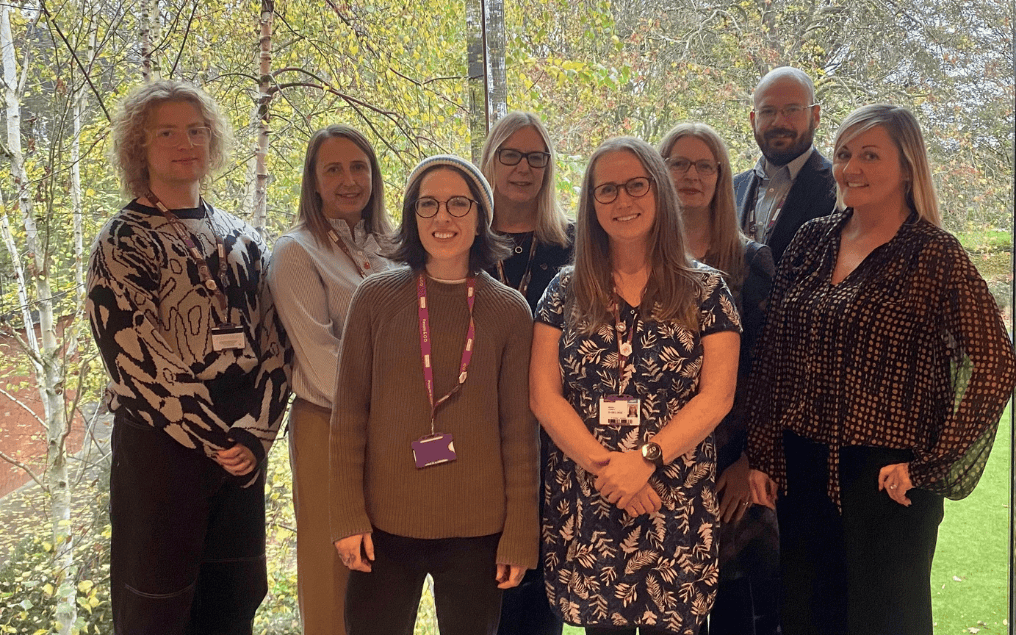
Twelve mediators were recruited from across academic and professional services teams, spanning senior and junior levels, to ensure credibility, diversity and representation. They completed CMP’s accredited Professional Workplace Mediator Programme, alongside tailored role-play and coaching to prepare for the unique dynamics of higher education.
“By making mediation a first resort the University of Manchester created a culture of resolution, belonging and shared responsibility”
The service launched in January 2024, supported by a communications campaign promoting early mediation as an ‘ordinary’ part of a healthy workplace culture. Line managers and HR partners were trained to recognise early signs of conflict and to refer cases promptly. To ensure sustainability the University built in clear governance and professional development, including a rapid response model whereby mediators respond within 48 hours of a referral, with two mediators assigned to every case for balance and mutual support. Quarterly review meetings with CMP ensure best practice and specialist training in areas such as neurodiversity deepens mediator skill.
A further 12 mediators were trained by early 2025 and now the total pool has reached 30.
Outcome
Between January 2024 and April 2025, 55 mediation cases were handled with an 82% success rate for informal resolution. Average case duration dropped from 125 to 39 days, saving significant time and stress.
Participants rated the experience 4.06/5 overall and 82% of those off sick due to conflict returned to work. The 2025 Staff Survey showed belonging rose to 70%, surpassing the Russell Group average, while demand for mediator training has tripled.
What began as a mediation service evolved is evolving into a restorative just culture focusing on repairing harm, fostering accountability and learning from conflict – a lasting shift toward openness, trust and shared responsibility.
For Case Studies & Insights on People, Culture, Leadership & Transformation, if you’re not already receiving our emails: Register to Join the Business Culture Community for Free